PI
Helge Großhans
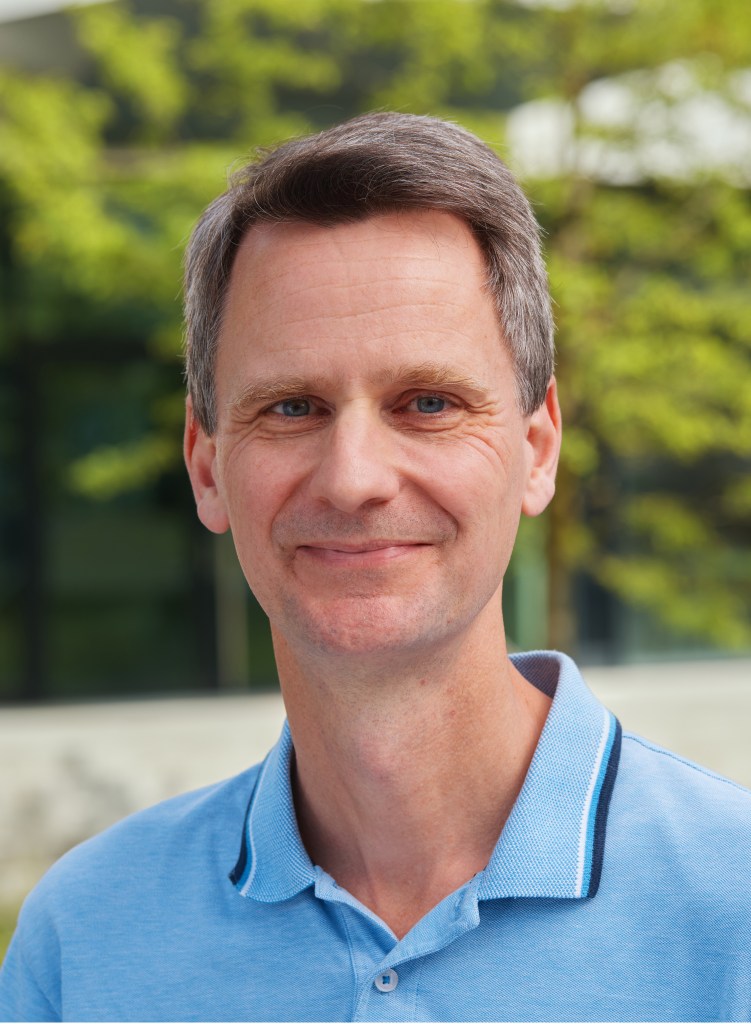
Helge studied Biotechnology at the Technical University of Braunschweig, Germany. He entered the world of RNA biology during his PhD at the University of Heidelberg, Germany, where he worked with Dr. Georgios Simos and Dr. Ed Hurt on tRNA biogenesis and nuclear export in yeast. Moving up the ‘evolutionary ladder’, Helge joined the lab of Dr. Frank Slack at Yale University to work on miRNAs (then still termed stRNAs for small temporal RNAs) in C. elegans. In 2005, Helge accepted a junior group leader position at the FMI, and was promoted to senior group leader with tenure in 2011. The work of his team focused initially on miRNA function and regulation, but has subsequently diversified to other areas of RNA and developmental biology. Thus, Helge’s current research interests include developmental clocks (with support from an ERC Advanced Grant) and posttranscriptional mechanisms of (stem) cell fate control in worms and mammals (with support from the SNF and the National Competence Center for Research “RNA and Disease”). Across projects, Helge is particularly interested in understanding molecular mechanisms as they operate in physiological contexts.
Postdocs
Michael Lohmüller

Michael is from a small village in the Black Forest, in Germany. After high school, he moved to Austria to study Molecular Medicine at the Medical University of Innsbruck, where he obtained his MSc in 2016. During this time, he established a platform to perform genome-wide CRISPR/Cas9-loss-of-function screens at the Institute for Developmental Immunology (Biocenter). During his PhD, he leveraged the established technique to identify novel regulators of miRNA biogenesis and their function. Driven by his fascination with regulatory molecular mechanisms and the interplay between RNA molecules and proteins, he joined the Grosshans Lab in the beginning of 2023. Currently, Michael tries to understand how LIN-28 regulates its targets during C. elegans development using different approaches, such as biochemistry, microscopy, and omics. During his free time, Michael enjoys spending time with his wife and his two kids, biking, photography, and sourdough baking.
Stephen Methot
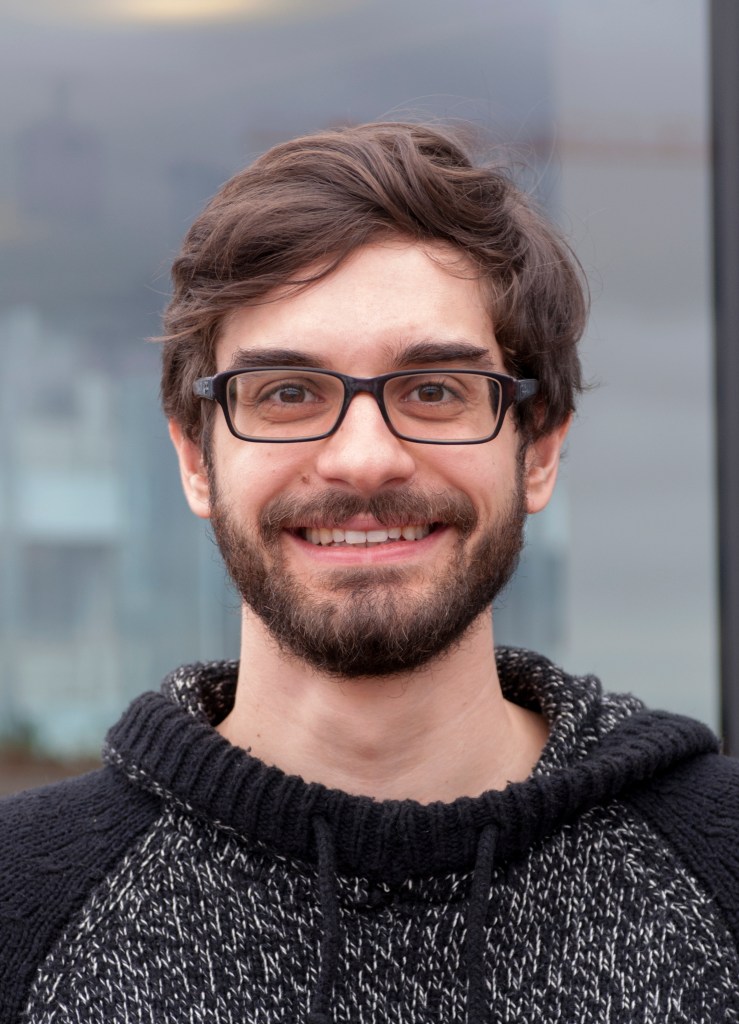
Stephen is from Vancouver, Canada. He obtained his BSc studying Molecular Biology and Biochemistry from Simon Fraser University in British Columbia, Canada. He then went on to do a PhD in Experimental Medicine at McGill university in Montreal, Quebec. During his PhD he studied the molecular mechanisms that generate a diverse antibody repertoire during the immune response. Wanting to switch gears, he moved to the lab of Susan Gasser to study chromatin regulation in C. elegans. This work got him interested in how chromatin is actively regulated in cells, and how this can modulate dynamic transcriptional programs. In the lab, he will try to address these questions using C. elegans developmental oscillations as a model system.
PhD Students
Marit van der Does
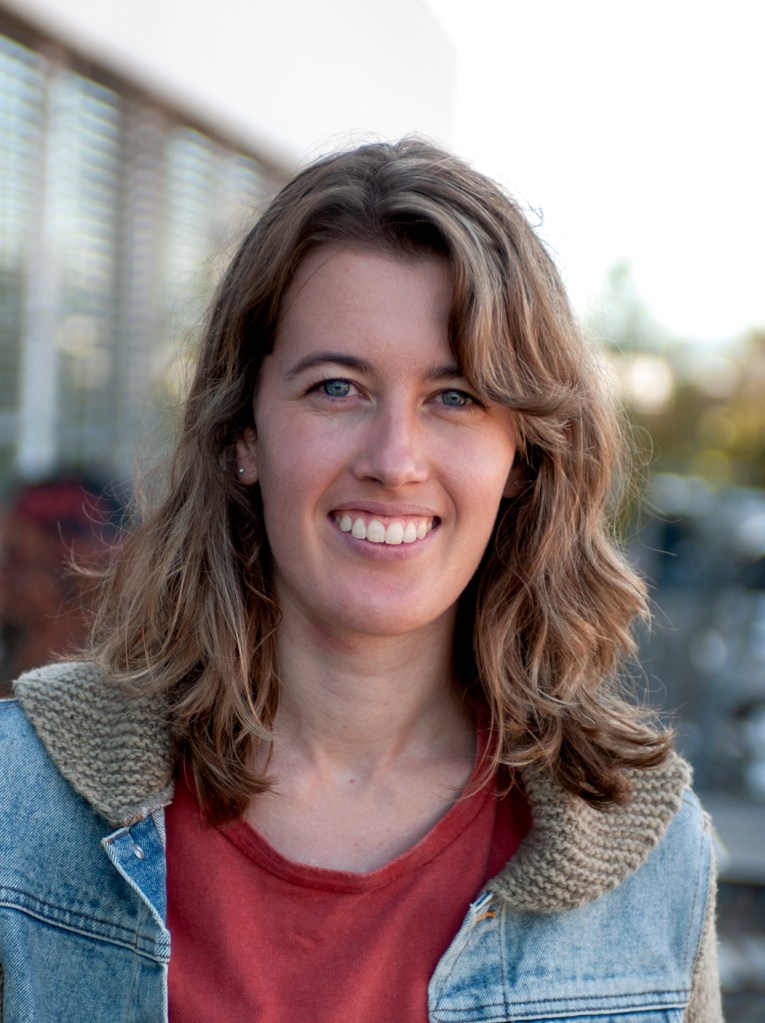
Marit obtained her Bsc and Msc at the Technical University of Delft and Erasmus Medical Center in Rotterdam, where she studied Nanobiology. During her studies, she focused on how to use physics and mathematics to study biology. Further, she joined the Vienna Biocenter summer school, and did an internship at Lumicks in Amsterdam where she gained more experience in microscopy and image analysis. During her PhD, she uses these tools to study the developmental timing of C. elegans.
Simona Ligorio
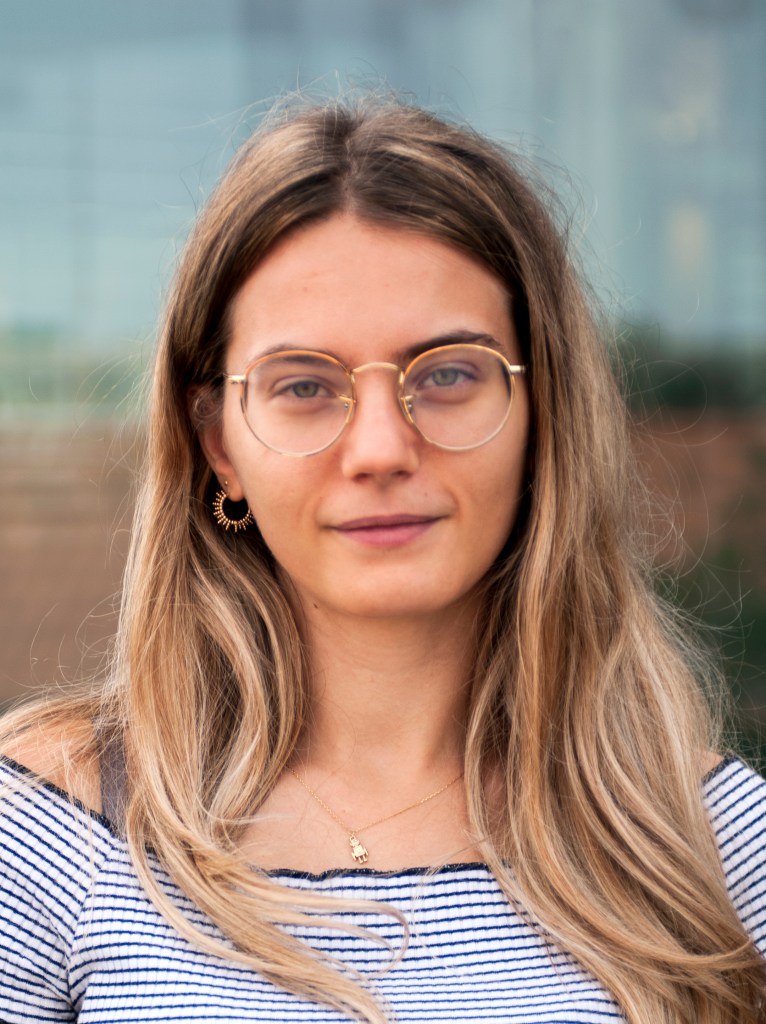
Simona studied Pharmaceutical Chemistry at the University of Milan, Italy. For her Master Thesis, she joined the Giovanni Galli Biochemistry and Molecular Biology of Metabolism Lab where she investigated the importance of metabolic rewiring during neuroblastoma differentiation. After her graduation in 2019, she worked as a research associate in the same lab, aiming to characterize the role of a zing finger protein during white adipogenesis. In August 2022 she joined the Grosshans lab where she had the chance to switch gears and start an exciting new chapter of her life. She is currently trying to understand how protein degradation is regulated during C. elegans development and how it shapes development itself. Outside the lab she likes to paint, dance and go hiking in the Swiss mountains.
Leonie Fabbro Burtschell
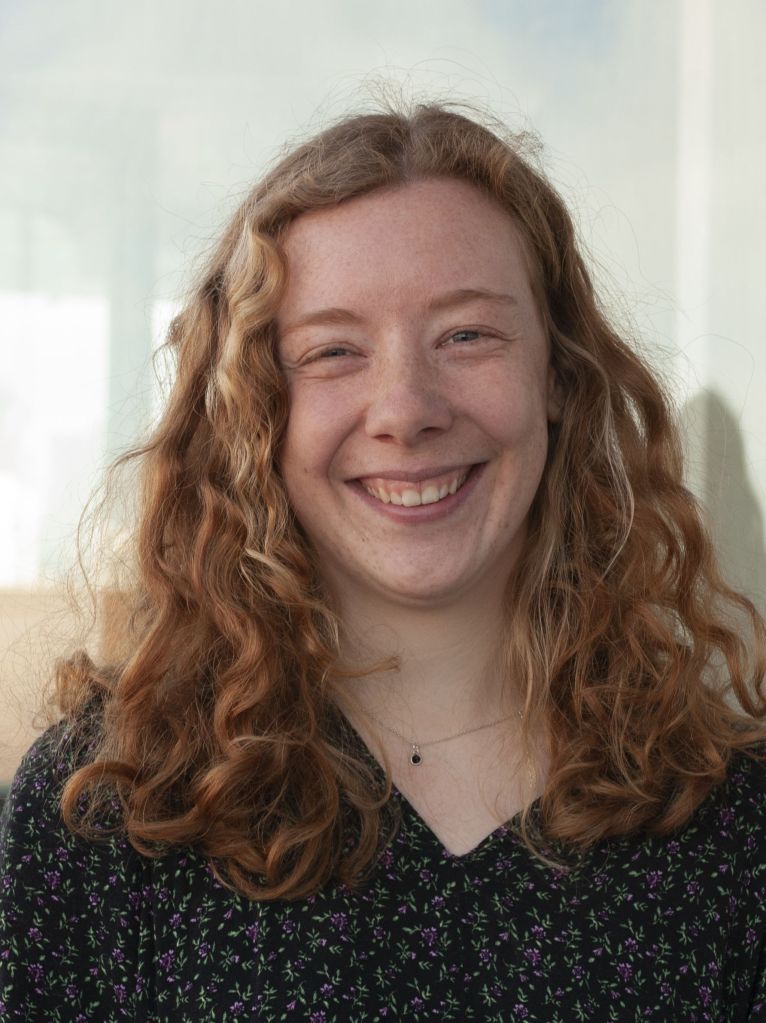
Leonie obtained a French-German BSc in Human and Molecular Biology from the Universities of Saarbrücken and Strasbourg and a MSc in Molecular Biology and Genetics from the University of Strasbourg. During her master thesis at the IGBMC in Strasbourg she focused on understanding the role of BCL7 proteins in SWI/SNF assembly and function. She joined the Grosshans lab as a PhD student in March 2023, focusing on understanding the dynamics of heterochromatin during the development, using C. elegans developmental oscillations as a model. Beside doing science, she bikes, hikes, and takes care of her plants.
Alison Goulois
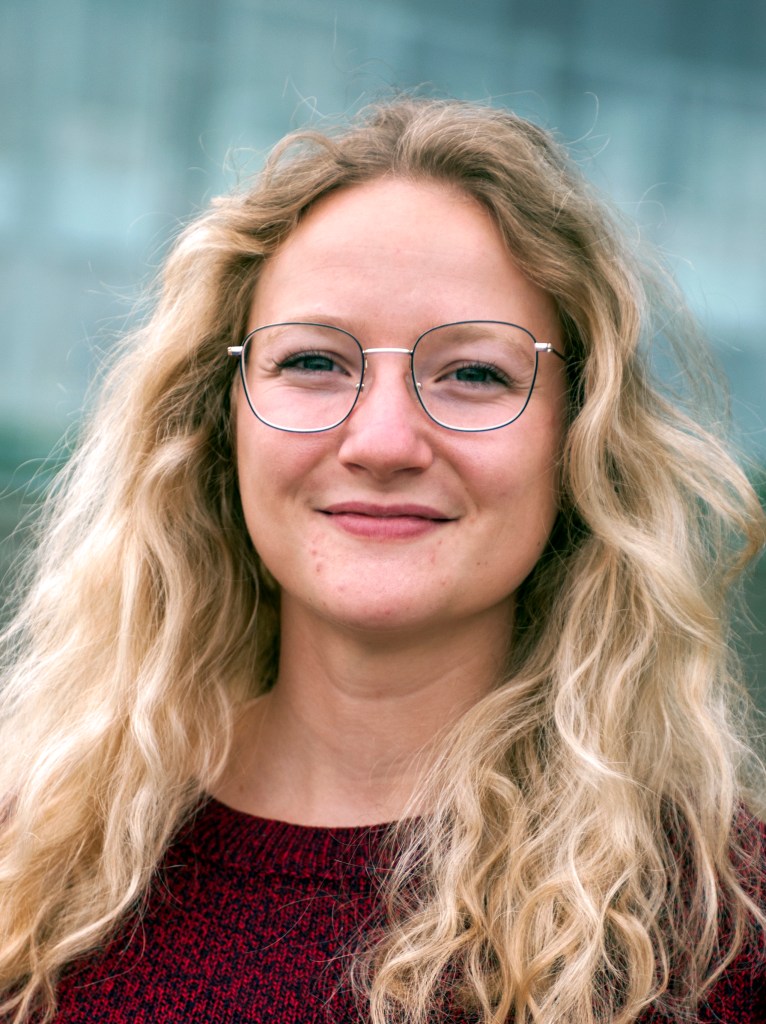
Alison has a diverse background in biomedical sciences. Holding a Master’s degree from the University of Strasbourg, she has explored various facets of biology and human pathologies, from immunology to neuroscience. Since her Bachelor’s thesis in England, she has specialized in molecular biology with a focus on RNA. She joined our team in 2021 as a research associate, where she worked on stemness regulation by RNA-binding proteins. Driven by this topic, she is pursuing her work as a PhD student and focus on RNA-mediated regulatory mechanisms in early development using stem cells. Additionally, Alison, who grew up in the French Alps, is always motivated to engage in outdoor sports like climbing, hiking, or ski touring.
Quirin Niggli
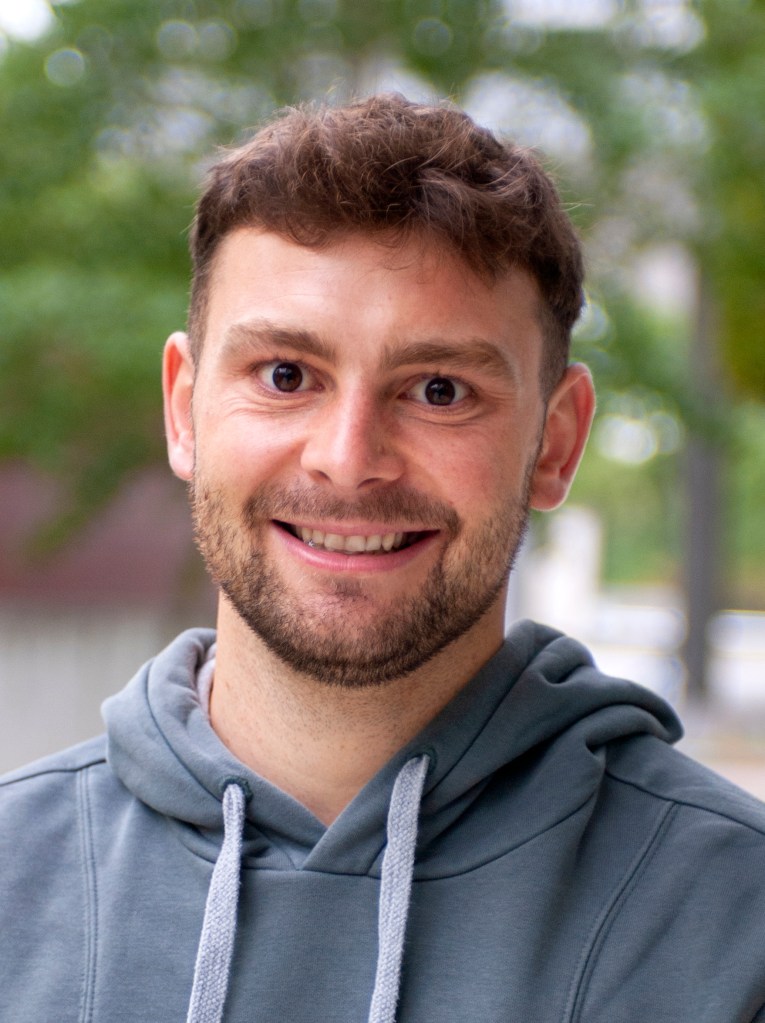
Growing up in the Swiss Alps, Quirin was always captivated by biological processes. He moved to Basel to study biology, obtaining an MSc in Molecular Biology from the Biozentrum, University of Basel. During his master’s thesis, he worked on the genetic regulation of virulence factors of pathogenic bacteria, developing a keen interest in genetic circuits. Quirin joined the Grosshans Lab as a PhD student focusing on the regulation of oscillatory gene expression during C.elegans development. Outside the lab, he does a lot of sports, ranging from running to kickboxing, and he enjoys spending time with his friends and family.
Enrica Brugnara
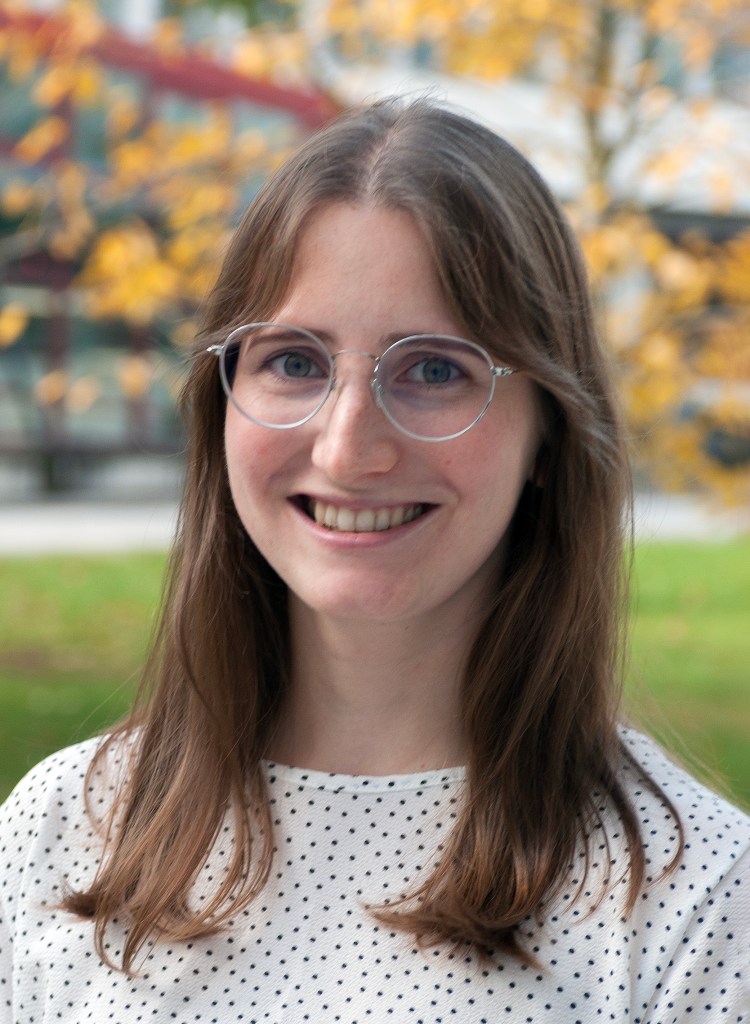
Enrica obtained her BSc and MSc in medical biotechnologies at the University of Trento. During her studies, she spent an Erasmus period at the University of Umeå and completed her Master’s thesis at AstraZeneca in Göteborg, Sweden, where she specialized in genome engineering for therapeutic applications. After graduating, she returned to the University of Trento with a research scholarship, continuing to work in the same field. She joined the Grosshans lab as a PhD student in November 2025, to study how regulatory timing mechanisms orchestrate development in C. elegans. Beyond the lab, she enjoys organizing initiatives to bring science closer to people outside of academia. Originally from Trento, a small city in the Italian Alps, she loves hiking in the mountains, but if she has to stay indoors, she enjoys dancing and sewing.
Benedikt Stratmann
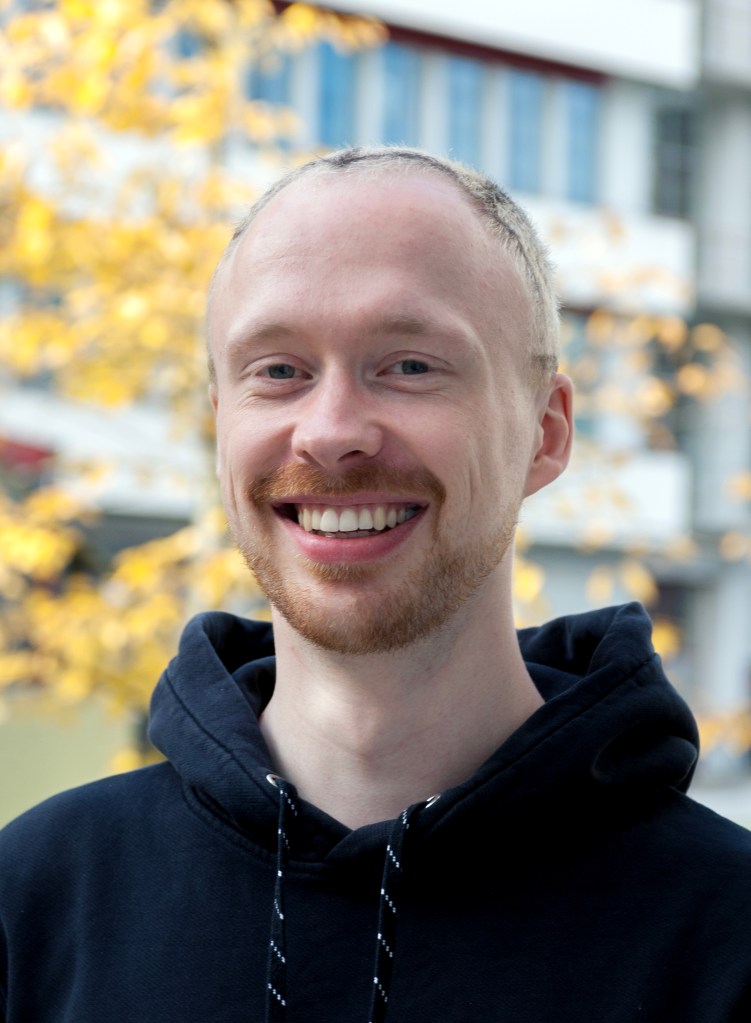
Benedikt grew up in Hamburg and obtained his BSc degree in biochemistry at the University of Tübingen and the Max Planck Institute for Biology, moving to Stockholm for his MSc in Molecular Techniques in Life Science at Karolinska Institute, KTH Royal Institute of Technology and Stockholm University. After writing his thesis on the impact of tRNA gene deletions in cancer in the Kutter group, he decided to follow his longstanding interest in developmental biology to Switzerland. Particularly interested in the temporal regulation of development, he joined the Grosshans group for his PhD in November 2025, studying the interaction of developmental timers in earlylarval development of C. elegans. Outside the lab, Benedikt is a musician and likes to sail, usually in the Baltic Sea.
Research Associates
Anca Walczak
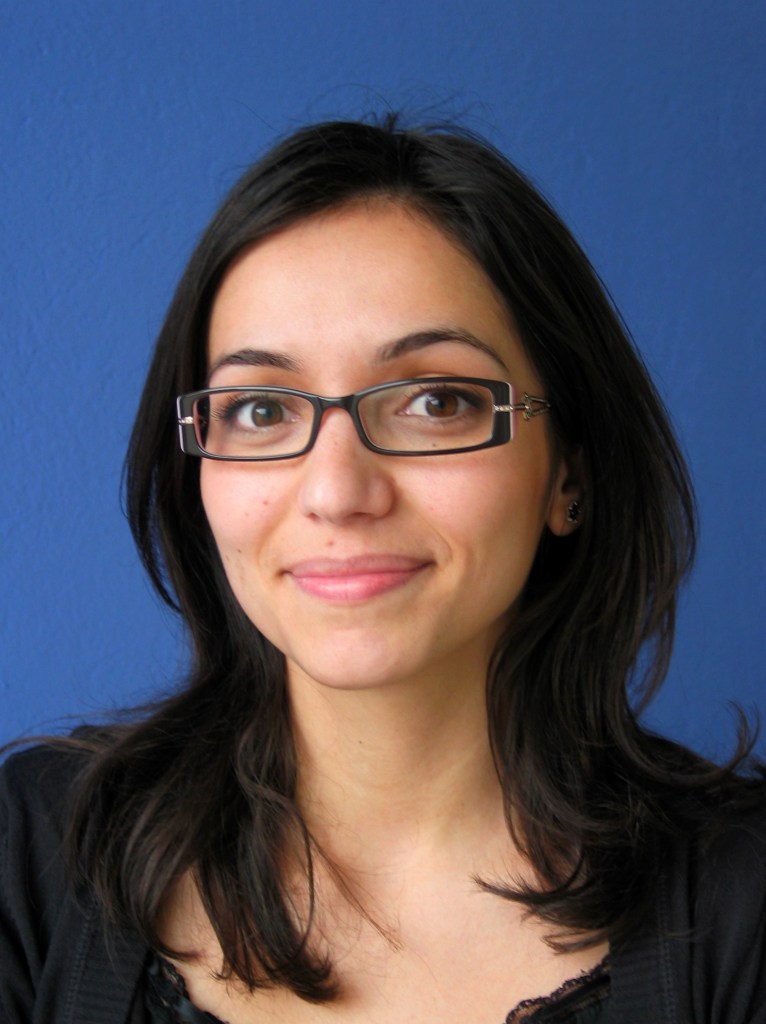
Anca holds a BSc in Chemistry-Biology from the West University of Timisoara (Romania) and a MSc in Molecular Biology from the University of Basel (Switzerland). As an independent and meticulous team member, Anca supports scientific experiments and is responsible for maintaining the lab stocks and resources.
Adam Alexander Thil Smith
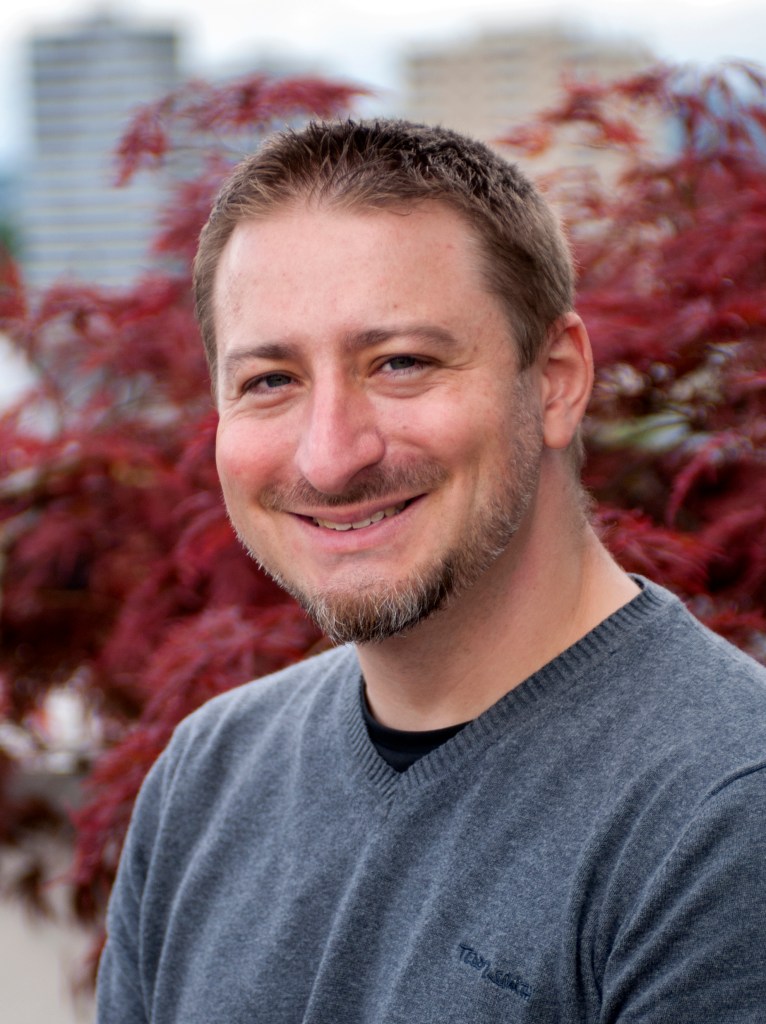
Alex was trained as a French engineer with a specialisation in Applied Statistics in Rennes, before obtaining a computational biology PhD scholarship. He has since then worked in various bioinformatics positions around the globe, following his immunoparasitologist wife! Over the years, he has hopped in and out of prokaryote genomics, mammal transcriptomics, and human lipidomics, and is now back in Switzerland, analysing all sorts of C. elegans timecourse *OMICs datasets for the Grosshans lab in Basel. Alex loves to tinker in R and gnaws at datasets until he can get everything out of them, and enjoys helping out biologists with their experimental designs and statistical analyses – albeit with a lot of frowning!
Lucas Morales Moya
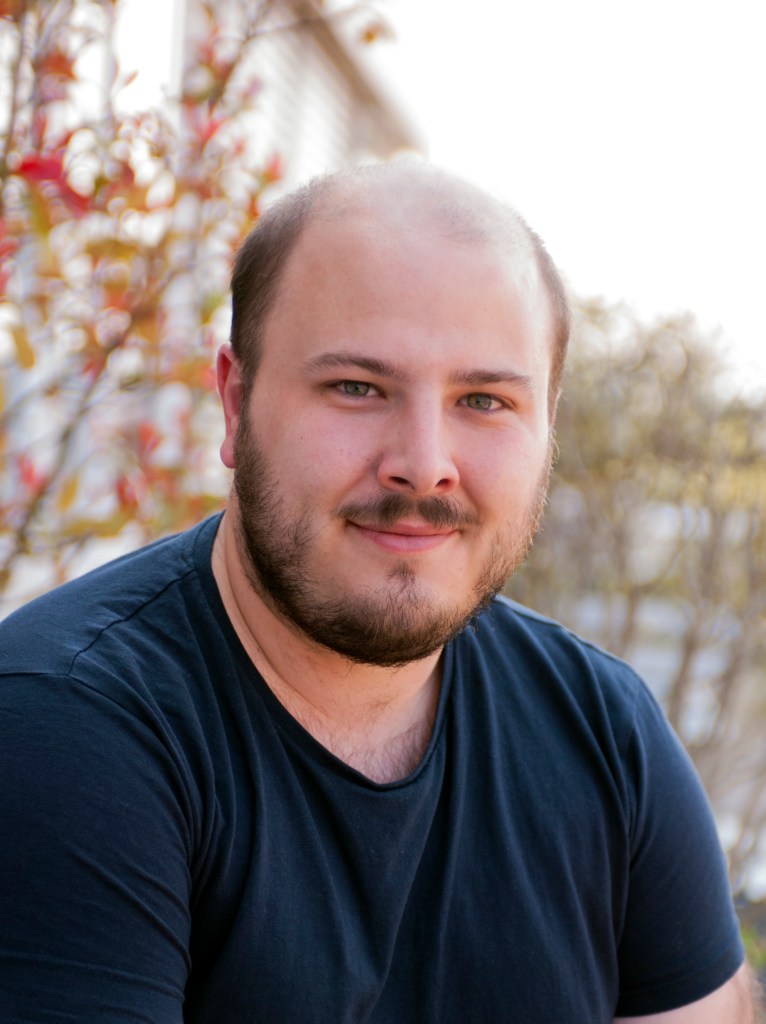
Lucas is from a small town in La Mancha, Spain. He studied Biotechnology at the Universidad of Valencia and obtained an MSc in Biophysics from the Universidad Autónoma de Madrid. He is interested in studying developmental time from a mathematical perspective. In his PhD, he studied how spatially repeated structures, such ribs and vertebrae, emerge from temporally rhythmic gene expression. Following his desire to know how biological melodies are composed, he joined the lab to study how time is encoded in gene regulatory networks to ensure each developmental event is played in the right order at the right time to form a proper multicellular organism.
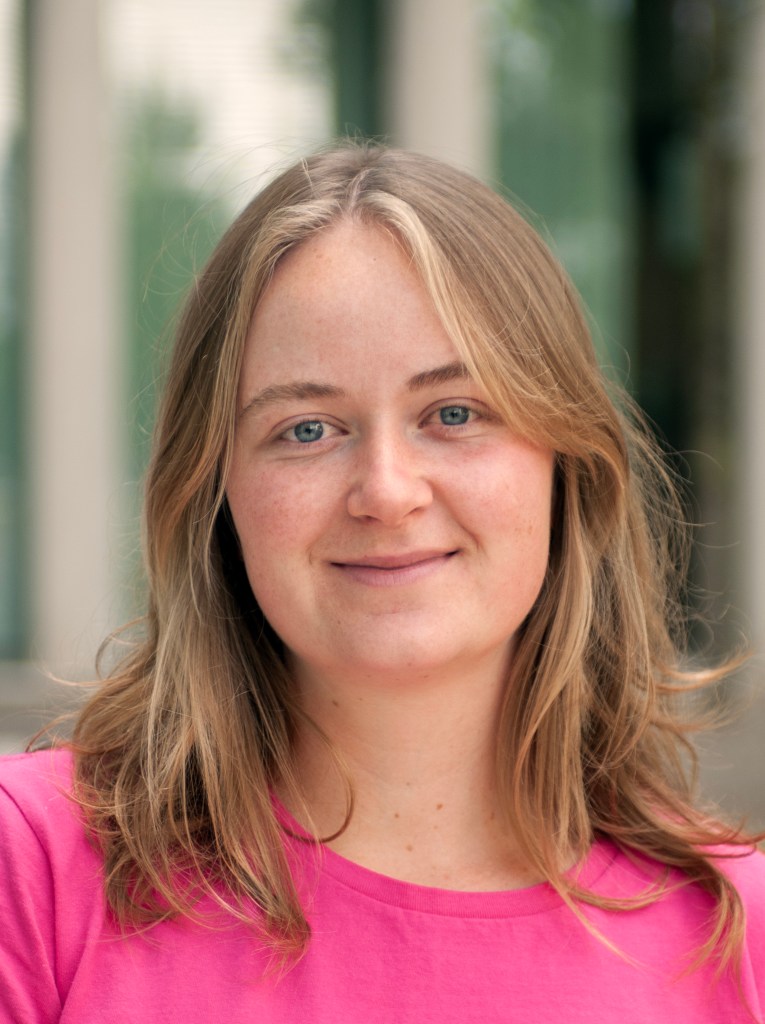
Anne-Eveline Poppelaars
Interns
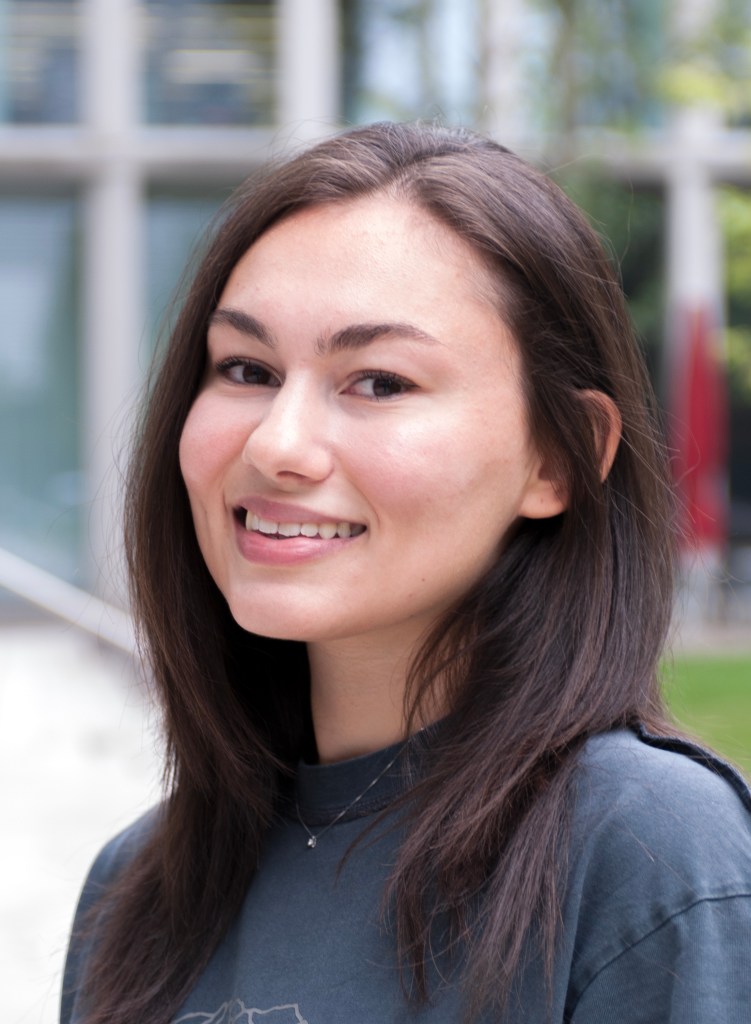
Martina-Nicole Buono
Lab Manager
Kathrin Braun
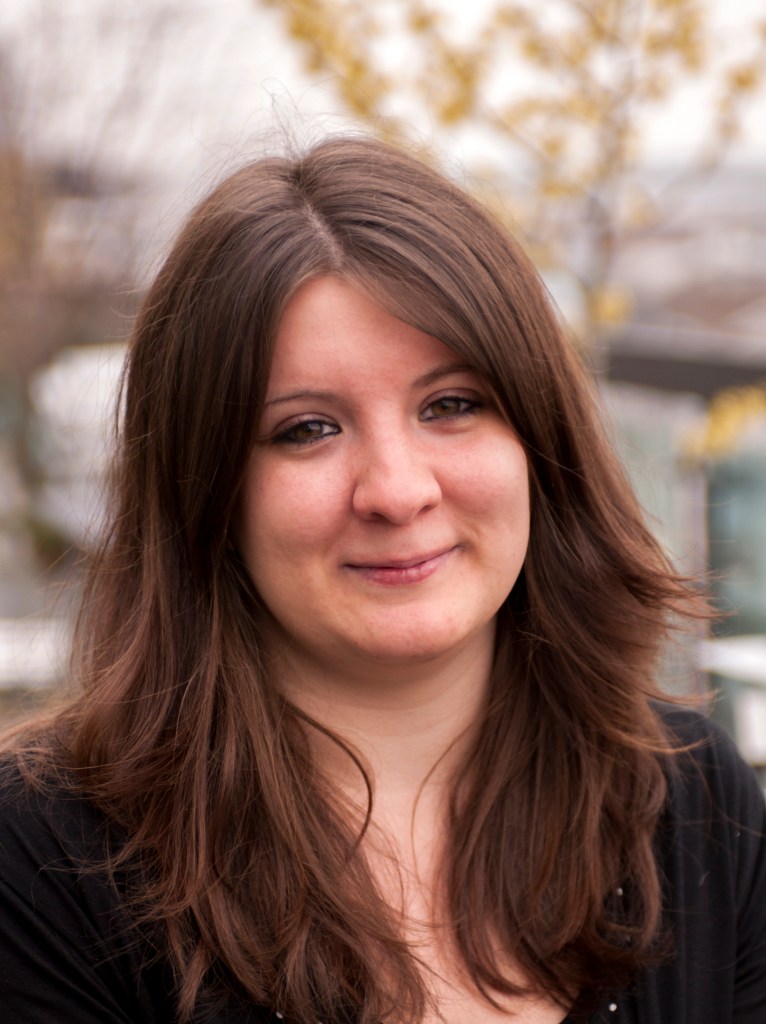
Kathrin Braun is from Germany and joined the Grosshans lab in 2015 as a lab manager. She finished her apprenticeship as a laboratory technician in biology at F.Hoffmann-La Roche in Basel. Kathrin supports PhD students and Postdocs in the lab and is responsible for the lab organization.
 Grosshans Lab