Paper

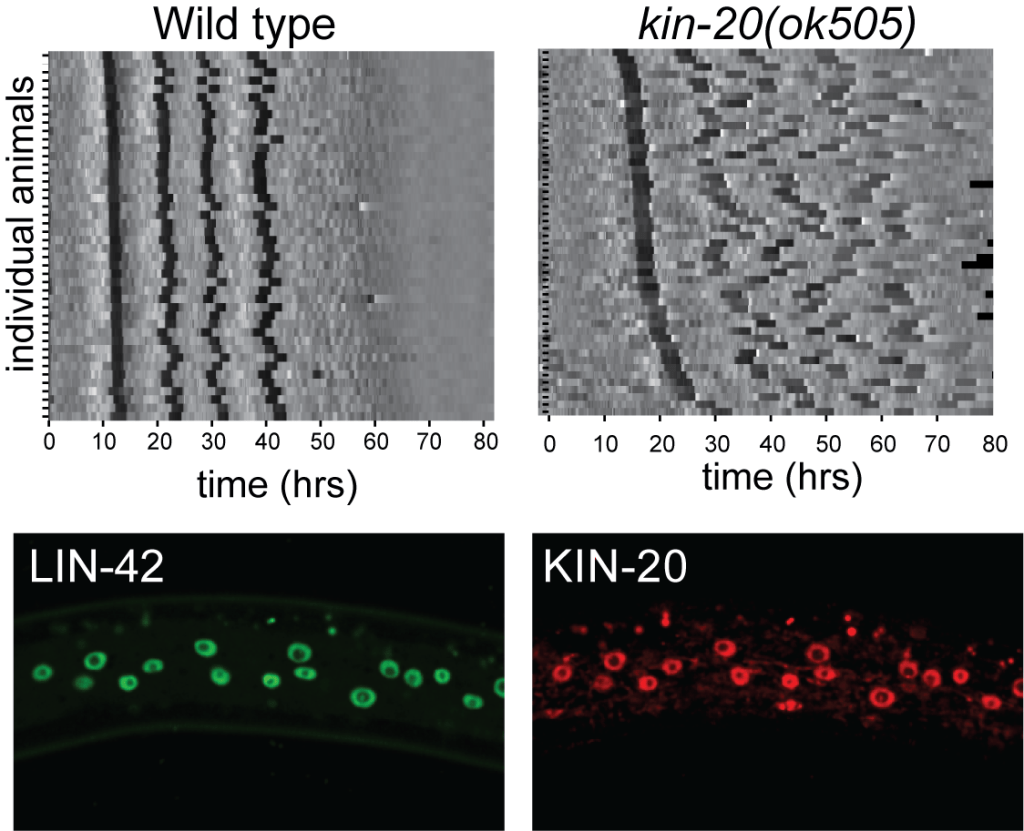
OUT NOW our preprint titled “A conserved chronobiological complex times C. elegans development”

What distinguishes the circadian clocks in our bodies (that tell us when to sleep and wake) from clocks that control development? Perhaps not so much: C. elegans LIN-42 and KIN-20 form a stable complex to control developmental tempo just like their orthologues PER and CK1 function in a complex to control the circadian period. Fun in vivo – in vitro collaboration with Ward and Partch labs at UCSC – check out our preprint for the full story.

Paper

OUT NOW our paper titled “Dynamics of miRNA accumulation during C. elegans larval development”

Temporally and spatially controlled accumulation is key for miRNAs to function in different developmental processes. However, the patterns of expression during development are not well understood. In this study, we coupled timecourse experiments to mathematical models to shed light on these dynamic expression patterns. If we aroused your interest, read more at Nucl Acids Res


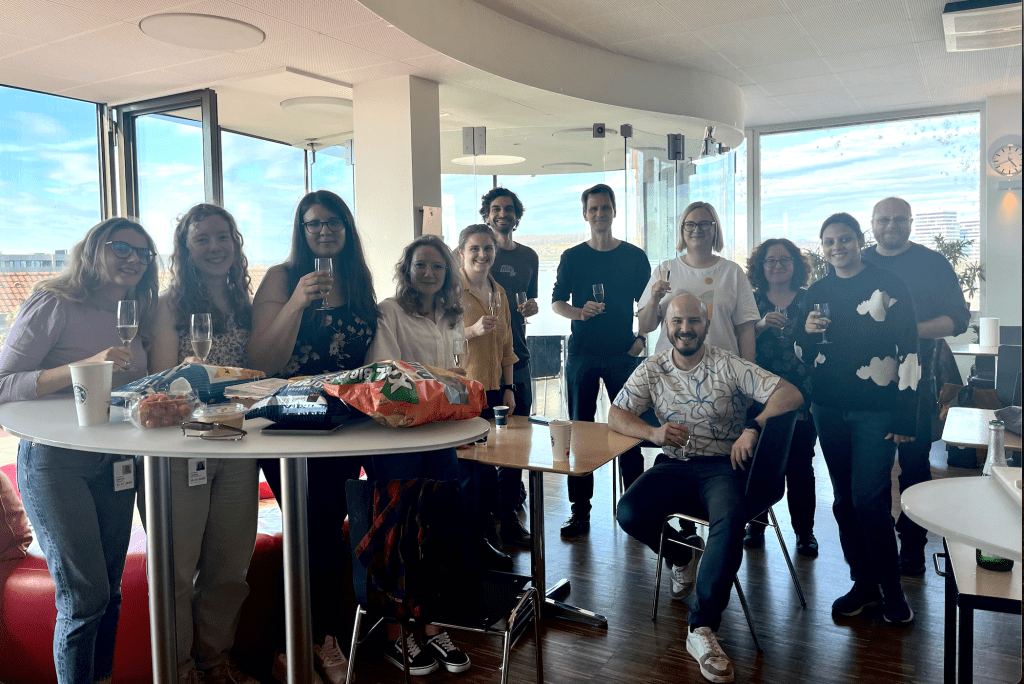
Time to celebrate!
Paper

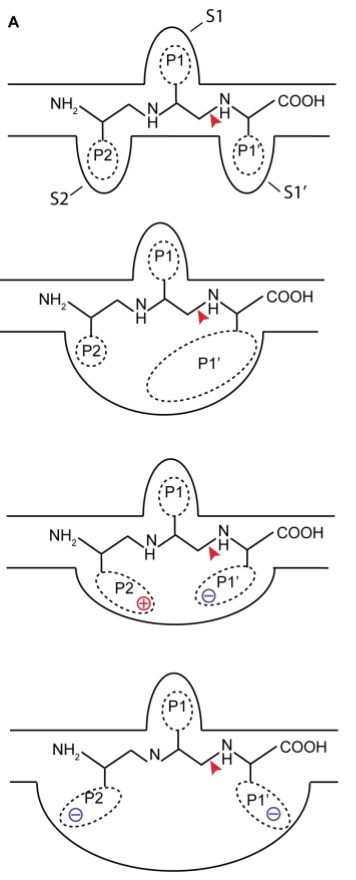
OUT NOW our preprint titled “Massively parallel mapping of substrate cleavage sites defines dipeptidyl peptidase four subsite cooperativity”

Substrate specificity determines protease functions in physiology and in clinical and biotechnological application. However, affordable and unbiased assays for large-scale quantification of substrate cleavage have been lacking. Here, we develop hiMAPS (high-throughput mapping of protease cleavage sites), a cheap, mass spectrometry-based assay, to derive cleavage motifs for human Dipeptidyl Peptidase Four (DPP4), a key regulator of blood glucose levels.
Want to know more about it? Check out Rajani’s work – available as a preprint at bioRxiv


Paper

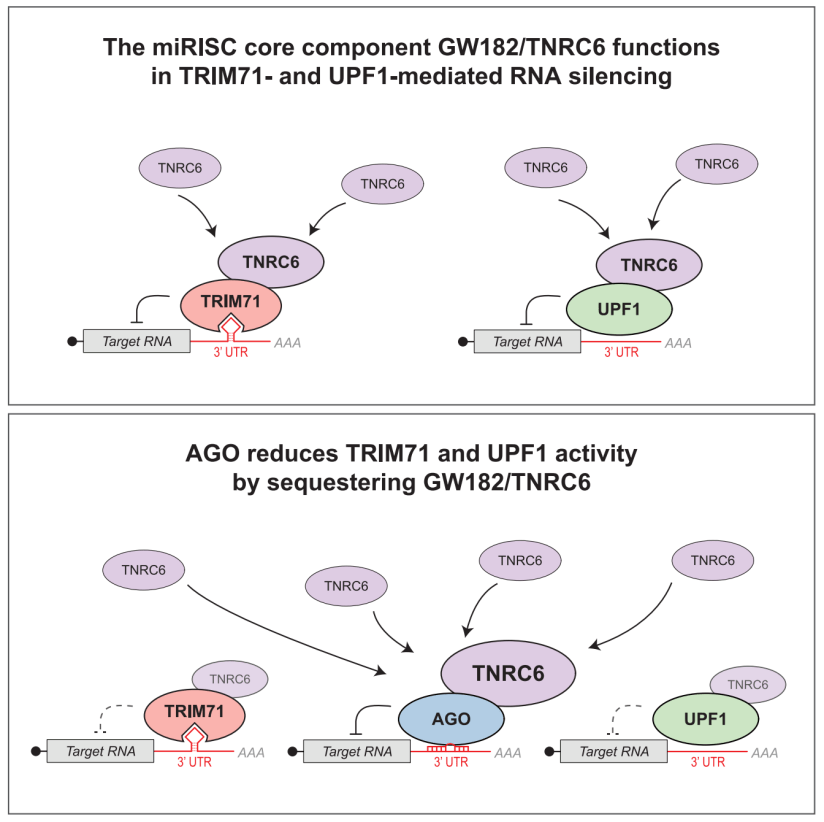
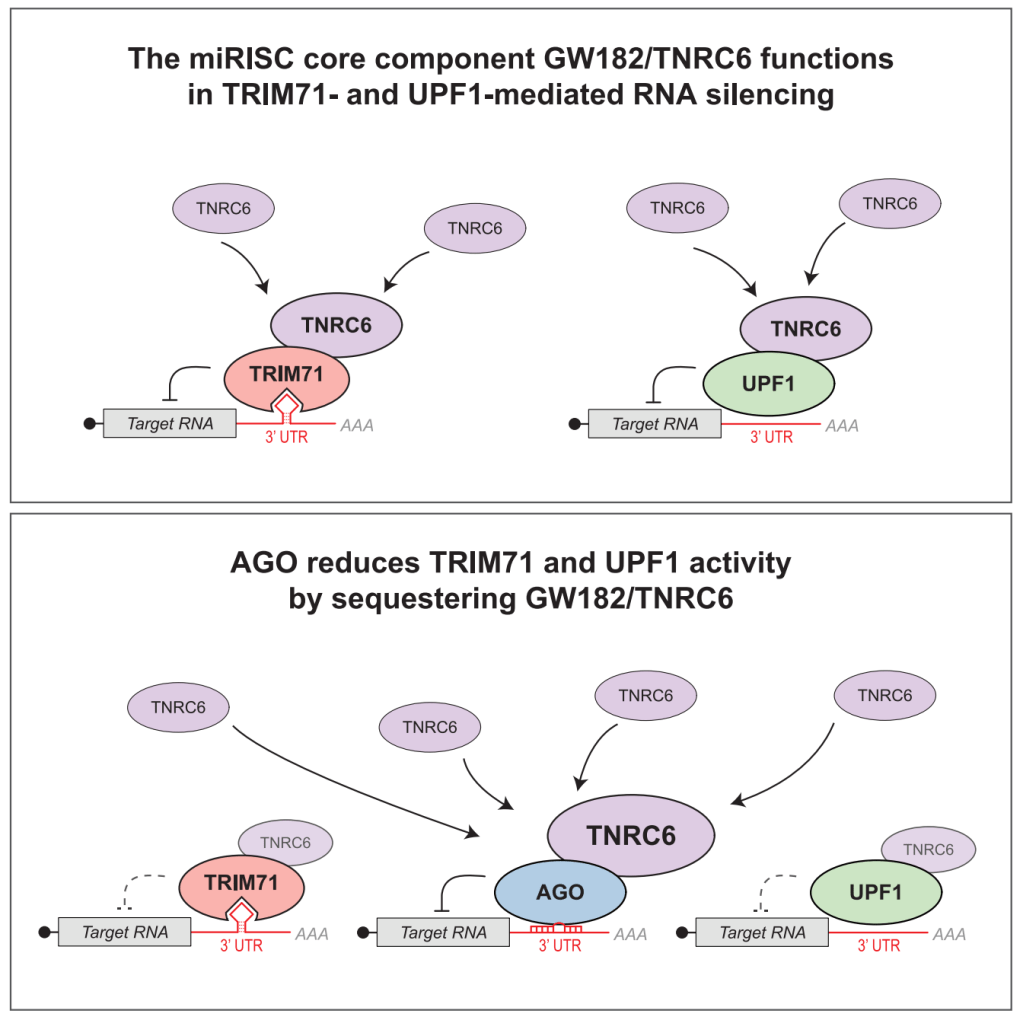
OUT NOW our preprint titled “Convergence of multiple RNA-silencing pathways on GW182/TNRC6”

TRIM71/LIN-41 is a phylogenetically conserved RNA-binding protein that functions in mammalian stem cell reprogramming, brain development, and cancer. TRIM71 recognizes target mRNAs through hairpin motifs, however little is known about the silencing mechanism. Take a peek at Thomas’s work – available as a preprint at bioRxiv